What Happens If You Skip Wisdom Teeth Removal in Oxnard CA?
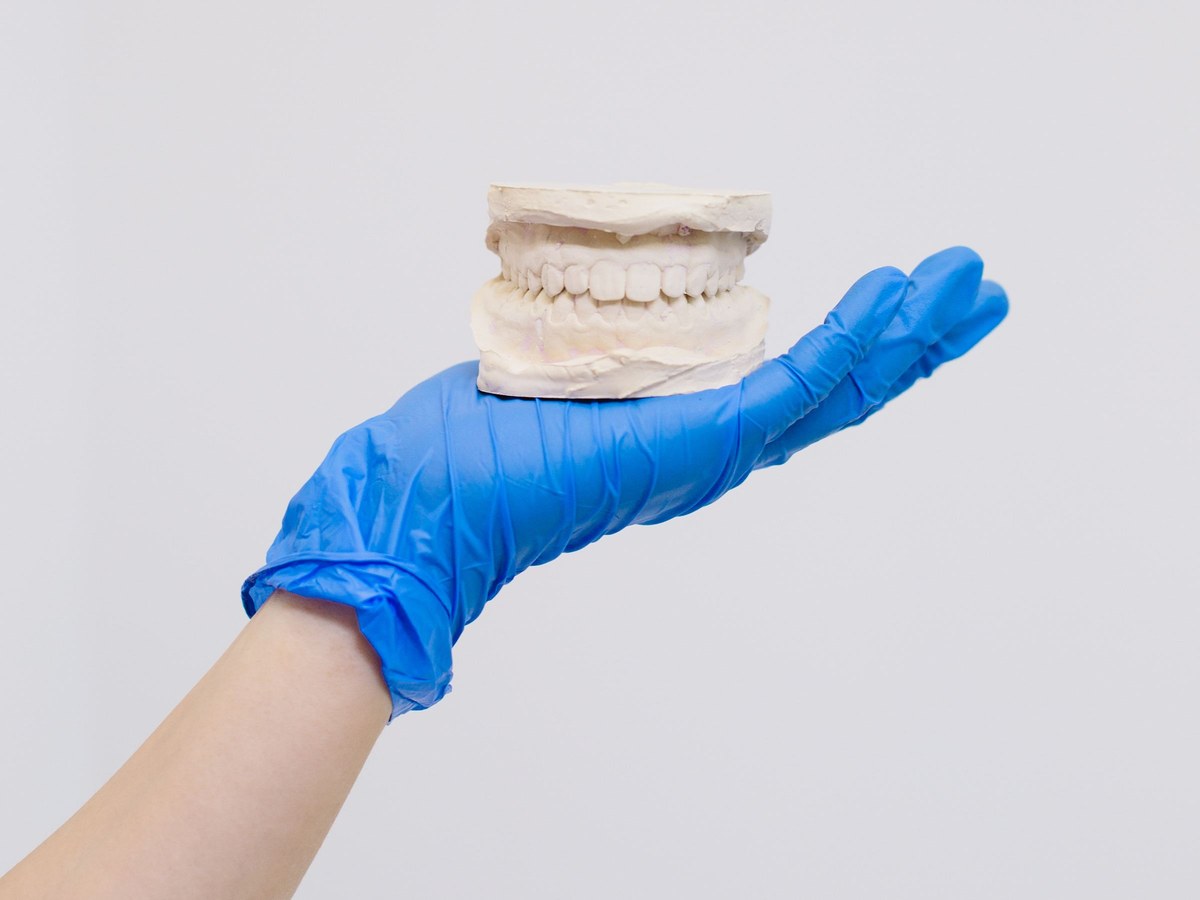
Plenty of people in Oxnard hear they should have their wisdom teeth evaluated, nod politely, and then put it off for a year or two. Sometimes it is because nothing hurts. Sometimes life gets busy. Sometimes the idea of oral surgery feels like a problem for another season. That instinct is understandable. If a tooth is not bothering you, it is easy to assume it can stay right where it is.
The reality is more nuanced than that.
Skipping wisdom teeth removal does not automatically mean something terrible will happen. Some people keep their third molars for life with very few issues. Others run into trouble slowly, then all at once, often during a stressful time when dealing with an infected or impacted tooth is the last thing they want. The main question is not whether every wisdom tooth must come out. The real question is whether your particular wisdom teeth have enough room, are positioned well, can be cleaned properly, and are likely to stay healthy over time.
That is where a thoughtful exam matters, especially if you are weighing Wisdom Teeth Removal Oxnard CA options and wondering whether waiting is harmless or risky.
Why wisdom teeth cause so many problems
Wisdom teeth are the last adult teeth to develop and emerge, usually in the late teens or early twenties. By then, the jaw has often used up most of its available space. Earlier generations may have had broader jaws and different diets, but in modern dental practice, it is common to see these teeth trying to erupt into a crowded arch, angled toward neighboring molars, or trapped under gum and bone.
That awkward timing creates several possible issues. A wisdom tooth may remain fully buried, partly erupt, or come in at a slant. Any of those situations can be manageable in the right mouth, but they also create conditions that are hard to keep clean and hard to predict.
One of the most common misconceptions is that pain is required before a tooth becomes a problem. In daily practice, that is simply not true. I have seen patients with severe decay on the back of a second molar who never felt more than mild pressure. I have seen cystic changes on X rays in patients who came in only because they were due for a cleaning. Wisdom teeth can stay quiet while doing damage in places you cannot easily see.
The best case if you leave them alone
It is worth saying clearly, because https://pastelink.net/3zfxs701 blanket advice helps no one, some wisdom teeth can stay.
If the teeth are fully erupted, straight, functional, easy to clean, cavity free, and not harming adjacent teeth or gums, a dentist may recommend monitoring rather than removal. That is not neglect. That is judgment. Dentistry is full of cases where observation is the right call.
For example, a patient in their thirties with four fully erupted wisdom teeth that align well with the bite and show healthy gum tissue may do perfectly well with routine checkups and good home care. On the other hand, a 19 year old whose lower wisdom teeth are angling into the second molars is in a different category entirely.
This distinction matters because the consequences of skipping removal depend on your anatomy, age, oral hygiene, and the way those teeth are developing. A personalized exam is far more useful than internet folklore.
What can happen if you skip removal when wisdom teeth are impacted
Impaction means a tooth cannot erupt normally into position. It may be blocked by bone, gum tissue, or another tooth. Lower wisdom teeth are especially known for this, and they are often the ones that create longer term complications.
An impacted wisdom tooth can press against the tooth in front of it. That pressure does not always cause dramatic movement, but it can create a plaque trap and make the second molar harder to keep clean. Over time, that neighboring molar may develop a cavity, root damage, or bone loss. Losing a healthy second molar because of an untreated wisdom tooth is one of the more frustrating outcomes, because the second molar is usually far more useful for chewing and long term oral function.
Impacted teeth can also inflame surrounding tissues. Even if the tooth never fully erupts, the sac around it can sometimes enlarge. In uncommon cases, this can contribute to cyst formation. That is not the most frequent outcome, but it is one reason dentists do not like to ignore deeply positioned wisdom teeth indefinitely without monitoring.
There is also the issue of access. When a tooth stays partially or fully trapped, brushing and flossing around the area are difficult. Bacteria thrive in those hidden spaces. A patient may feel fine for months, then develop swelling and pain over a weekend, often right before travel, exams, or a major work event. Dental timing has a cruel sense of humor.
When a partially erupted wisdom tooth becomes a chronic problem
Partially erupted wisdom teeth are often the worst of both worlds. Part of the tooth breaks through the gums, but not enough to fully settle into a clean, functional position. A flap of gum tissue can remain over part of the crown, and food debris easily gets trapped beneath it.
This sets the stage for pericoronitis, an infection and inflammation of the gum tissue around a partially erupted tooth. It can start subtly. A little soreness in the back of the jaw. Mild bad taste. Tenderness when chewing. Then it escalates. The tissue swells, it becomes painful to bite down, and some patients notice difficulty opening wide. In more severe cases, the swelling can spread into the face or throat area and require urgent treatment.
Pericoronitis is one of those conditions that tends to recur. A patient may take antibiotics, feel better, and think the problem is gone. Then a few months later the same tooth flares up again. That pattern is often a sign that the anatomy itself is the problem, not just the temporary infection.
This is a common reason patients eventually seek Wisdom Teeth Removal Oxnard CA care after months or years of postponing it. They are not coming in because someone convinced them with a theoretical risk. They are coming in because the same inflamed area keeps disrupting normal life.
Decay does not stay neatly contained
Cavities in wisdom teeth can be deceptively tricky. Even if the tooth has erupted enough to be visible, it is still at the very back of the mouth, where brushing is harder and plaque removal is less reliable. Add a gag reflex, limited opening, or tight cheek anatomy, and that area becomes difficult to clean well every day.
When decay starts on a wisdom tooth, there are two separate concerns. The first is the wisdom tooth itself. If it is decayed, partially erupted, or poorly positioned, restoring it with a filling may not be practical or durable. The second concern is the neighboring second molar. That tooth often suffers collateral damage because bacteria sit right between the two teeth, in a space that even conscientious patients struggle to clean.
I have seen cases where the wisdom tooth was the obvious suspect, but the second molar was the one that needed the more serious treatment, sometimes even root canal therapy or extraction. That is the kind of trade off patients rarely think about when they decide to wait. They imagine keeping one tooth. What they may really be risking is the health of a much more valuable tooth beside it.
Gum disease in the back of the mouth can spread quietly
Gum disease does not always announce itself loudly. Around wisdom teeth, it often starts with persistent inflammation. The tissue may bleed when flossing, trap food, or feel tender, but not enough to force immediate action. Over time, inflammation can affect the bone support around the wisdom tooth and the tooth next to it.
The problem is access. Deep pockets behind the second molar are difficult to clean at home and difficult to maintain even with professional care if the wisdom tooth is crowding the area. Once bone loss develops on the distal side of the second molar, reversing that damage becomes much harder.
For younger adults, this is a particularly frustrating issue because the rest of the mouth may be healthy. A person with otherwise excellent oral hygiene can still end up with localized gum problems behind the back molars simply because the anatomy creates a chronic trap for bacteria.
Does skipping removal make crowding worse?
This topic gets argued more than it should. Wisdom teeth are often blamed for every bit of lower front tooth crowding that appears in the late teens and twenties. The evidence is not as simple as that. Teeth can shift over time for many reasons, including normal aging, bite forces, and jaw growth patterns.
That said, if wisdom teeth are erupting under pressure and there is very little room, they can contribute to problems in some patients. The more immediate concern, though, is usually not dramatic front tooth movement. It is the localized damage at the back of the mouth, where crowding makes cleaning difficult and creates contact problems with the second molar.
So if a patient asks whether leaving wisdom teeth in will definitely ruin orthodontic results, the honest answer is not always. But if they ask whether poorly positioned wisdom teeth can still create expensive problems, absolutely.
Age changes the conversation
Timing matters more than people realize. Younger patients often heal faster after oral surgery. The roots of wisdom teeth may be less developed, the bone can be less dense, and the recovery is often more straightforward than it is later in life. This does not mean adults in their thirties, forties, or beyond cannot have wisdom teeth removed safely. They do, all the time. It simply means the procedure and healing can become more involved as the years pass.
That becomes important when someone has known about problematic wisdom teeth for a decade and decides to wait until symptoms become severe. By that point, the tooth may be closer to a nerve, the roots may be fully formed and curved, or the second molar may already be damaged. What could have been a relatively routine planned procedure turns into a more complex intervention.
This is one reason many dentists recommend evaluating third molars earlier rather than later. Early evaluation does not commit you to surgery. It gives you a clear picture of whether watchful waiting makes sense or whether delay is likely to increase risk.
Signs that watching and waiting may not be working
Some patients genuinely can monitor wisdom teeth safely. Others convince themselves they are monitoring, when really they are just hoping the problem stays quiet. A few warning signs suggest it is time for a more serious conversation with a dentist or oral surgeon:
- Repeated swelling or pain at the back of the mouth
- Food trapping or bad taste around a partially erupted tooth
- Cavities or gum pockets developing near the second molar
- Jaw stiffness, tender gums, or difficulty cleaning the area
- X ray evidence that the tooth is pressing against another tooth or staying impacted
None of these automatically means emergency surgery. They do mean the cost of waiting may already be rising.
What a dentist in Oxnard is really looking for
When a patient comes in asking whether they can skip wisdom teeth removal, the exam is not about selling a procedure. It is about risk assessment. Position matters. Angulation matters. Gum health matters. So does the condition of the second molars and the patient’s ability to keep the area clean.
X rays help show whether the teeth are impacted, whether the roots are close to important structures, and whether there is hidden decay or bone loss. The clinical exam adds another layer. Is there inflamed gum tissue? Is the tooth visible enough to clean? Is the patient already having intermittent flare ups?
In a coastal community like Oxnard, where people often juggle work, family, school schedules, and active lifestyles, practical timing matters too. Some patients decide to remove problem wisdom teeth during a college break or a slower work period rather than waiting for an emergency that derails plans unexpectedly. That is not fear based decision making. It is simply smart scheduling.
If you are researching Wisdom Teeth Removal Oxnard CA, it is worth looking for a practice that explains not just whether removal is recommended, but why. Good care is specific. It should address your anatomy, your symptoms, your X rays, and your long term dental health.
What if you are older and your wisdom teeth have never bothered you?
This is a fair question, and the answer depends on what the teeth actually look like. If you are in your forties or fifties and your wisdom teeth are healthy, functional, and stable, many dentists would be cautious about recommending removal without a clear reason. Surgery is never something to suggest lightly.
But if you are older and the teeth are only quiet, not healthy, that is different. I have seen patients in midlife who had no real symptoms until they developed decay on the back of a second molar that had been impossible to inspect properly for years. By the time it was discovered, the repair was extensive.
So age alone does not decide the issue. Condition does.
Recovery concerns often drive the delay
A lot of people skip recommended removal because they are worried about the recovery more than the procedure itself. That concern is reasonable. No one is excited about swelling, soreness, altered eating, or time away from normal routine.
Still, the planned recovery from elective removal is often easier to manage than the chaos of an untreated infection. With a scheduled procedure, patients can prepare food ahead of time, arrange transportation, clear a day or two for rest, and follow instructions closely. By contrast, an infected wisdom tooth rarely picks a convenient moment. It tends to hit when calendars are full and stress is already high.
Most people are back to light activity within a few days, though exact healing varies with age, tooth position, and whether the teeth were fully erupted or impacted. The first week is the main recovery period. Full tissue healing takes longer, but it usually does not interfere with daily life in the same way.
Cases where keeping wisdom teeth may be reasonable
There are situations where observation is entirely appropriate. A dentist may recommend keeping wisdom teeth if they are fully erupted, cavity free, easy to clean, supported by healthy gums, and not crowding or damaging neighboring teeth. The patient must also be willing to monitor them consistently with exams and X rays as recommended.
That last part matters. Keeping wisdom teeth is not a one time decision you make and forget. It is an agreement to keep checking whether the situation is staying stable. If a patient tends to miss dental visits for years at a time, watchful waiting becomes less safe because problems can progress unnoticed.
Questions worth asking at your evaluation
If you are unsure whether to proceed with Wisdom Teeth Removal Oxnard CA, a focused conversation can help cut through the noise. Ask questions that get to the actual risk in your mouth:
- Are my wisdom teeth fully erupted, partially erupted, or impacted?
- Do they have enough room to stay healthy long term?
- Are they harming or threatening the second molars or surrounding gums?
- Is monitoring reasonable in my case, or is delay likely to make treatment harder later?
- If removal is recommended, what does recovery typically look like for my specific situation?
A good clinician should be able to answer these clearly, without pressure and without vague reassurance.
The real cost of doing nothing
When patients think about skipping removal, they usually focus on avoiding the short term inconvenience of surgery. What often gets missed is the long term math. One extraction can be less costly, less painful, and less disruptive than repeated infections, emergency visits, antibiotics, fillings on hard to reach teeth, treatment for a damaged second molar, or gum therapy around a chronically inflamed area.
Not every wisdom tooth needs to come out. That remains true. But if a dentist or oral surgeon has identified clear risk factors, choosing to do nothing is still a decision, and it has consequences. Sometimes those consequences are minor. Sometimes they lead to larger treatment plans that could have been avoided.
The smartest approach is neither automatic extraction nor automatic delay. It is a careful diagnosis, an honest discussion of risk, and a plan that fits your mouth, your age, and your ability to maintain the area over time. If your wisdom teeth are healthy and stable, monitoring may be all you need. If they are trapped, partly erupted, difficult to clean, or already affecting nearby teeth, waiting may simply allow a manageable issue to become a more expensive one.
For people in Oxnard trying to decide what comes next, that is the heart of the matter. Skipping wisdom teeth removal can be harmless in the right case. In the wrong case, it can quietly set up infection, decay, gum damage, and avoidable loss of a healthy neighboring tooth. The only reliable way to know which category you are in is to have the teeth evaluated before they force the decision for you.
Oxnard Dentistry
1730 E Gonzales Rd
Oxnard, CA 93036, United States
Phone: +1 805-307-8731
FAQ About Wisdom Teeth Removal Oxnard CA
How much does it cost to get wisdom teeth removed in California?
Fees depend on tooth position, the number of extractions, imaging and anesthesia. Oxnard Dentistry can provide an individual estimate after examining your teeth. Ask for an itemized plan and confirm insurance benefits before scheduling.
Will insurance cover wisdom teeth removal?
Coverage and out-of-pocket costs vary by policy and the treatment required. Ask the dental office and your insurer to verify benefits, annual limits and any authorization requirements. A benefit estimate does not guarantee payment.
Is 30 too old to have wisdom teeth removed?
Age alone does not determine whether extraction is appropriate. A dentist evaluates symptoms, tooth position, oral health and medical history. Healthy, functional wisdom teeth may be monitored; teeth causing disease or other problems may need treatment.